Issam A. Hafiez عصام عبد الحفيظ: Nubian Tar طَار نُوبي: Circle Art Gallery One
Forthcoming exhibition
Overview
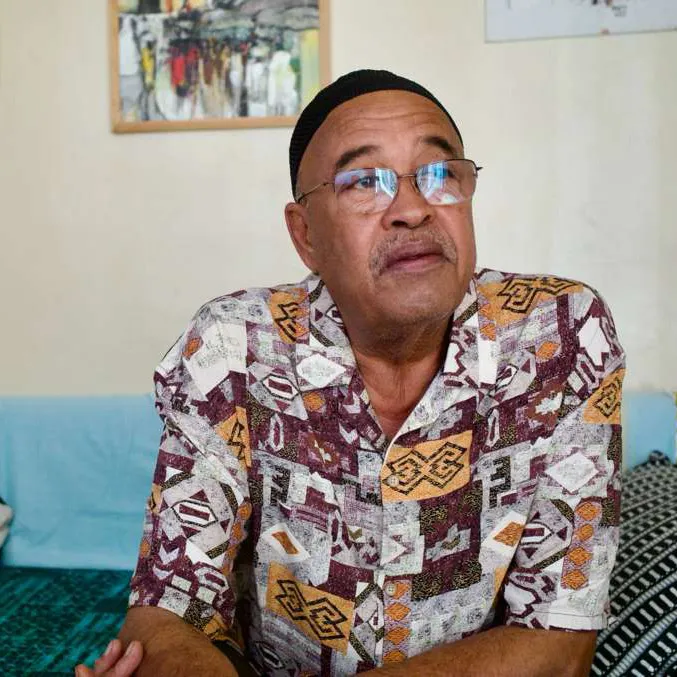
"Dedicated to the soul of my mother, Rugaia, and to all Sudanese mothers; reflecting the taste and color of our homeland's soil.إهداء إلى روح أُمي رُقيّة، ولكلّ الأمهات السودانيات طعم ولون تراب الوطن.
In this exhibition, I celebrate mothers worldwide, I therefore chose March 21 as the opening date
أحتفي في هذا المعرض بالأم في كل بقاع العالم، لذا كان تاريخه هذا اليوم: ٢١ مارس.
I was born in Marawi, northern Sudan, in Al Zouma village, at my grandmother Sitt Nour's house on a bend of the Nile. Here, the Nubian culture of farmers along the riverbank intertwines with the desert extending into Egypt. I remember the houses on hills and highlands, their white facades and the gentle sway of palm trees, all of which have woven themselves into the fabric of my memories. These images have resonated within me throughout my visits to that Nubian spot along the Nile, over three decades echoing in this exhibition.
كان مولدي في منطقة مروي شمال السودان، قرية الزومة، بيت سِت نور جدّتي في منحنَى النيل، حيث تتشكَّل الثقافة النوبية لمزارعي شريط النيل الذي يعبر الصحراء إلى مصر. هناك رأيت البيوت على تلال ومرتفعات يَكسُوها البياض، وأشجار النخيل تتهادى، وتتداخل فيها المساحات والمشاعر في الحياة الاجتماعية. وهنا تداعت وسَكنت روحي تلك الصور على امتداد زياراتي إلى تلك البقعة النوبية الراقدة على ضفاف النيل؛ كلها تداعت عبر فترة تتجاوز الثلاثة عقود في هذا المعرض.
My exhibition, "Nubian Tar[*]" aims to expand the horizons of visual thinking regarding heritage and foster a dialogue between cultures in our contemporary lives, invoking genuine cultural fusion. I seek to reopen the forgotten door of conversation, create a new thread of hope for coexistence, and enhance our lives wherever we may be.
يَسعى معرضي "طار نوبي" لفَتح آفاق التفكير البصري تجاه كل الموروث، ويفتح حوار الثقافات وامتداداتها في حياتنا المعاصرة واستدعاء التمازج الثقافي الحقيقي؛ أن يَفتح باب الحوار المنسي، ليشَكِّل خيطاً جديداً من الأمل للتعايش، وجعل حياتنا أفضل أينما حللنا
Upon discovering my love for painting, I embarked on a multifaceted journey through my own perspective. My eyes began to capture and explore, and those moments lingered within me until their time arrived to be expressed. That is when the story of my painting began-a continuous dialogue with the blank canvas, an exploration of color, and the depiction of spaces filled with houses, people, and stories, punctuated by disruptions in the scene, much like our current reality. I now paint to continue my narrative, addressing every void in our lives and reflecting what remains of our homeland that we carry within us.
عندما اكتشفت أنّني أعشق الرسم، بدأت رحلةً متعددة في زوايا "الشُوْف"، كما نقول في السودان، وأصبَحت العيون تلتَقِط وتَغوص، وتسكُنني تلك اللحظات، إلى أن يأتي ميقات خروجها، ثمّ تبدأ حكاية اللوحة؛ ذلك الحوار المُستمر مع البياض، واكتشاف حوارات اللون، والمساحات المُمتدّة بالبيوت والناس والحكاوي، واختلال المَشهد في أحيانٍ أخرى، كما الآن؛ أرسمُ الآن لتستمرَّ حكايتي السرديَّة، لمعالجة كلّ فراغٍ في حياتنا، وما نَحمله مِن ما تبقَّى من وَطن.
* The tar is a drum-like instrument made from soft sheepskin stretched over a wooden frame of varying sizes. It can be found along the Nubian Nile, from Sudan to Egypt, and is used to perform Nubian rhythms. The tar has become a key instrument for religious chanting "Madeeh", as exemplified by the renowned Awlad Haj Al-Mahi group. Internationally acclaimed Nubian musician Hamza El Din used the tar to introduce Nubian rhythms to a global audience, often accompanying it with the oud."
الطار آلة إيقاعية تُصنع من جلد الغنم الطري، وتُشَد على خشب له مقاسات متنوعة. توجد في الشريط النيلي النوبي الممتد من السودان إلى مصر، تُضرب عليه الإيقاعات النوبيَّة، وامتدّ ليصبح آلة المديح النبوي الأساسيّة كما في تجربة أولاد حاج الماحي العريقة. استخدمها الموسيقار النوبي العالمي حمزة علاء الدين وقدَّم بها الإيقاعات النوبية
الطار آلة إيقاعية تُصنع من جلد الغنم الطري، وتُشَد على خشب له مقاسات متنوعة. توجد في الشريط النيلي النوبي الممتد من السودان إلى مصر، تُضرب عليه الإيقاعات النوبيَّة، وامتدّ ليصبح آلة المديح النبوي الأساسيّة كما في تجربة أولاد حاج الماحي العريقة. استخدمها الموسيقار النوبي العالمي حمزة علاء الدين وقدَّم بها الإيقاعات النوبية
